
Why Aging Well Has Less To Do With Luck Than You Think
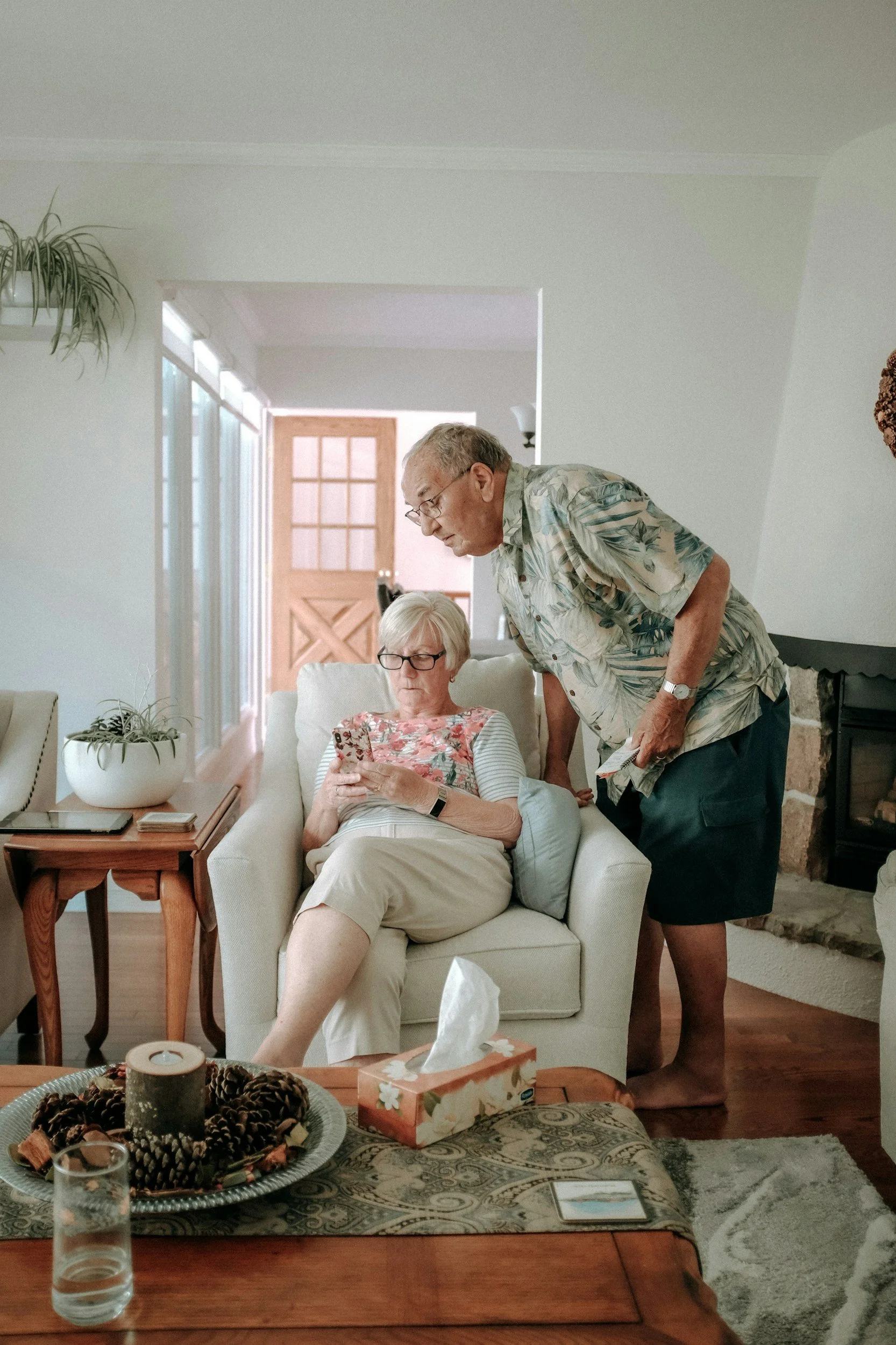
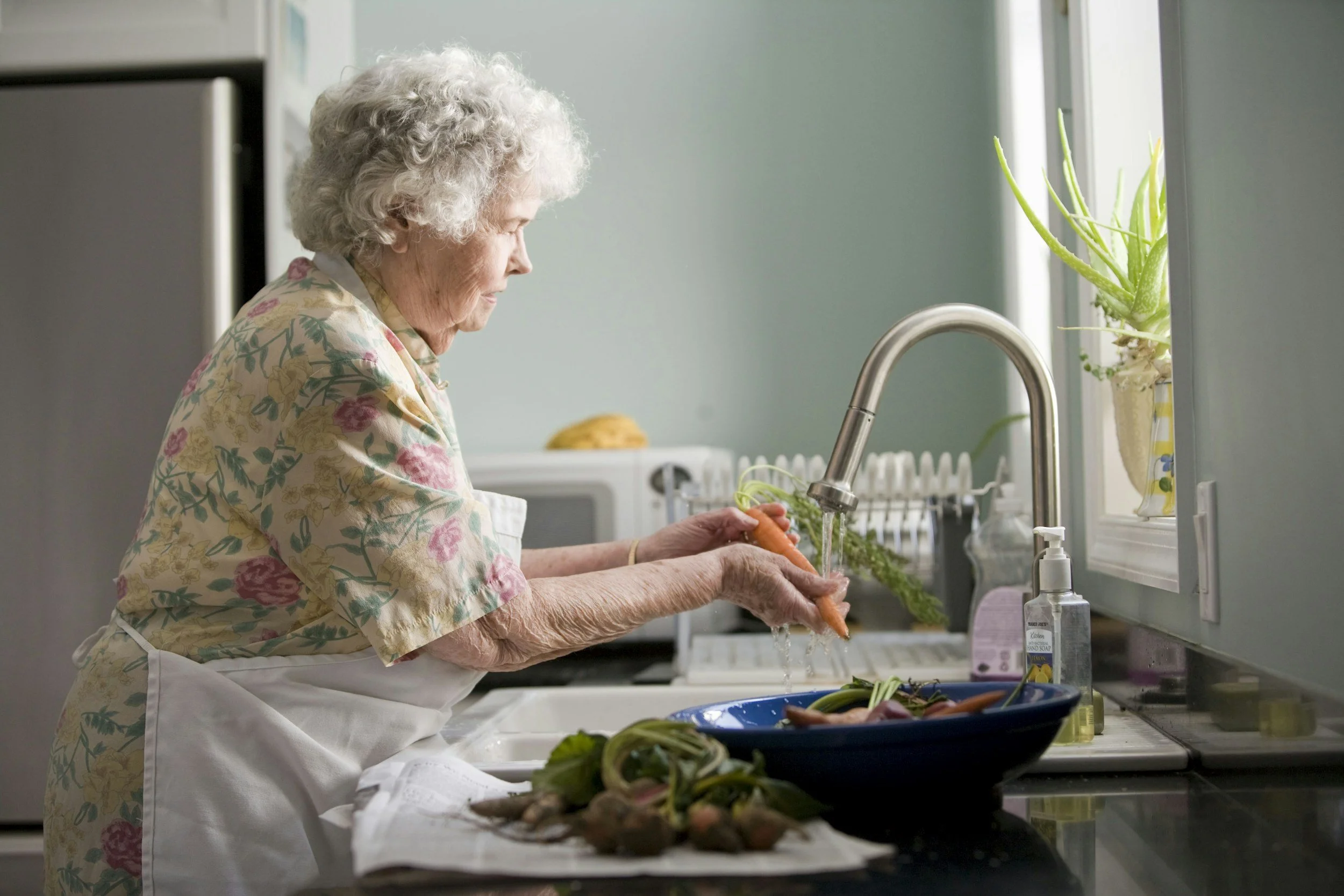
September is Healthy Aging Month and I want to talk about something that comes up in my exam room more than almost any other topic.
People walk in convinced that how they age is mostly out of their hands. They point to their parents or the family history sitting in their chart, and they've already decided that aging well is something that happens to lucky people or people with better genes.
I understand where that comes from. But the research tells a pretty different story.
The habits you build today, and I mean genuinely ordinary, undramatic daily habits, have more influence over how you age than most people realize. And the part I love telling patients is that it is never too late to start. Not at 45, not at 60, not at 72.
So let's talk about what actually moves the needle.
Move your body. Every single day.
If there is one thing I could get every patient to do for their long-term health, it would be this. Physical activity is the most powerful tool we have for healthy aging, and it is also the most underused one.
You do not need a gym membership or a complicated program. What the research consistently supports is about 150 minutes of aerobic activity per week. That's a 30 minute walk five days a week. Brisk enough that you could hold a conversation but not so easy that you feel nothing. Cycling, swimming, dancing in your kitchen, it all counts
Alongside that, two days a week of some kind of strength training makes a real difference for muscle mass and bone density as you get older. Resistance bands, weights, bodyweight exercises. Nothing needs to be extreme. The point is consistency over intensity.
And if balance and flexibility feel like things you can skip, I'd push back on that. Falls are one of the leading causes of serious injury in older adults and balance work, whether that's yoga, tai chi, or just practicing standing on one foot while you brush your teeth, is one of the most practical things you can do to protect yourself.
Any movement counts. Starting somewhere is always better than waiting until you can do it perfectly.
What you eat matters more as you get older, not less.
The two dietary patterns with the strongest evidence behind them for healthy aging are the Mediterranean diet and the DASH diet. Both of them point in the same direction: more vegetables, fruit, whole grains, beans, nuts, fish, and good fats like olive oil. Less salt, less processed meat, less sugar, fewer things that come out of a package with an ingredient list you need a science degree to read.
I'm not here to tell you that you can never eat the things you enjoy. But the cumulative effect of what you put in your body over months and years shows up in your heart, your brain, and how you feel day to day. Food is one of the levers you actually control.
Your brain needs just as much attention as your body.
This is the part that gets left out of most healthy aging conversations and it genuinely frustrates me because it matters so much.
Staying mentally active, reading, learning something new, challenging yourself in small ways, is not just a nice hobby. It is protective. The brain responds to being used. Give it things to do.
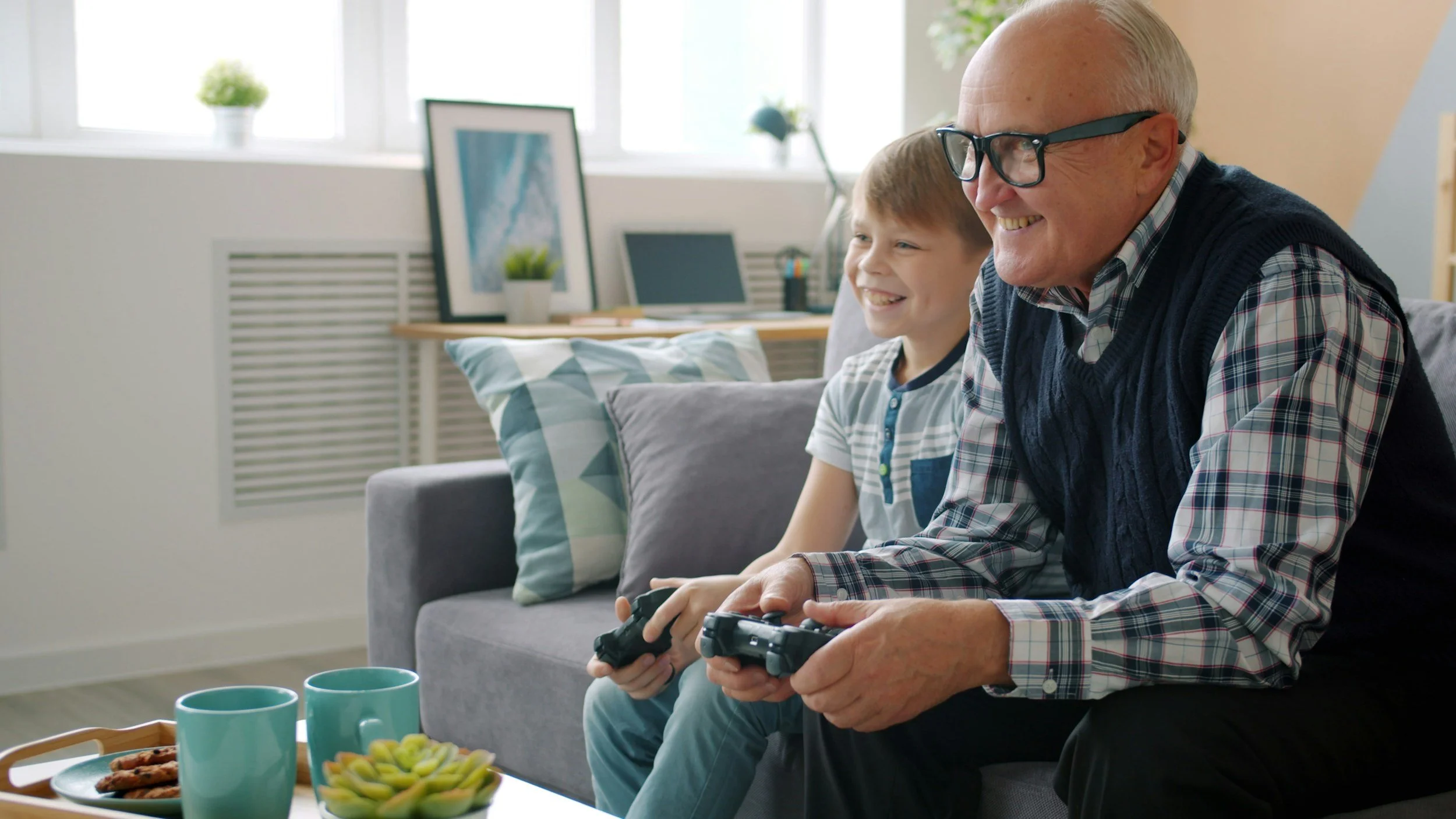
Social connection is in the same category. Loneliness is not just uncomfortable, it is a documented health risk with real consequences for cardiovascular health, cognitive decline, and mortality. If you are isolated, that is something worth addressing with the same seriousness you'd bring to high blood pressure.
Sleep sits here too. We covered this last month in the back-to-school post and the same principles apply to adults. Quality sleep is when your brain consolidates memory, clears waste products, and regulates mood. If you are snoring significantly or waking up exhausted despite a full night in bed, that is worth looking into. Sleep apnea is extremely common and extremely undertreated.
A note on alcohol and tobacco
I'll keep this simple because I think it deserves a straightforward mention rather than a lecture.
Smoking at any age causes harm, and quitting at any age improves your health. The body's ability to recover is genuinely remarkable. If you smoke and you want to quit, that conversation is always worth having.
Alcohol in moderate amounts looks different for different people. What I'd say is that as we age, our tolerance for alcohol tends to decrease and its effects on sleep, blood pressure, and medication interactions tend to increase. It's worth being honest with yourself about where you are with it.
Know your numbers and actually do something with them.
Blood pressure, blood sugar, cholesterol, weight are real-time information about how your body is functioning and whether something needs attention before it becomes a bigger problem.
One of the things I love most about the DPC model is that I have time to actually sit with you and go through your numbers in a way that means something.
Not hand you a printout and send you on your way. We can talk about what they mean for you specifically, what the trends look like over time, and what we want to do about them.
If you are on multiple medications, a regular medication review is also important. As bodies change, medications sometimes need to change too, and what was the right dose a few years ago may not be anymore.
The bigger picture…
Healthy aging is not about being perfect. It is not about running marathons at 70 or giving up every food you enjoy. It is about building a foundation of small consistent habits that give your body and brain what they need to keep going.
You have more control over this than you've probably been told.
If you want to talk through where you are and what changes might make the most sense for your specific situation, that is exactly what I'm here for.
If you are looking for additional information on this topic, here are some of the sources I trust.
As with any medical advice, concerns, or information, make sure you speak with your medical provider who knows your personal story and medical history
National Institute on Aging: nia.nih.gov
CDC Healthy Aging: cdc.gov/aging
World Health Organization — Ageing and Health: who.int
American Geriatrics Society: HealthInAging.org
MyPlate nutrition guidance: myplate.gov
American Heart Association: heart.org
Overview: Amber Loredo, FNP-C at Alpine Wellness in Bend, Oregon breaks down what healthy aging actually looks like and the everyday habits that make the biggest difference, no matter your age or starting point.
Don’t stop here, check out some of the other posts on
The Journal

Welcome, I am so glad you are here!
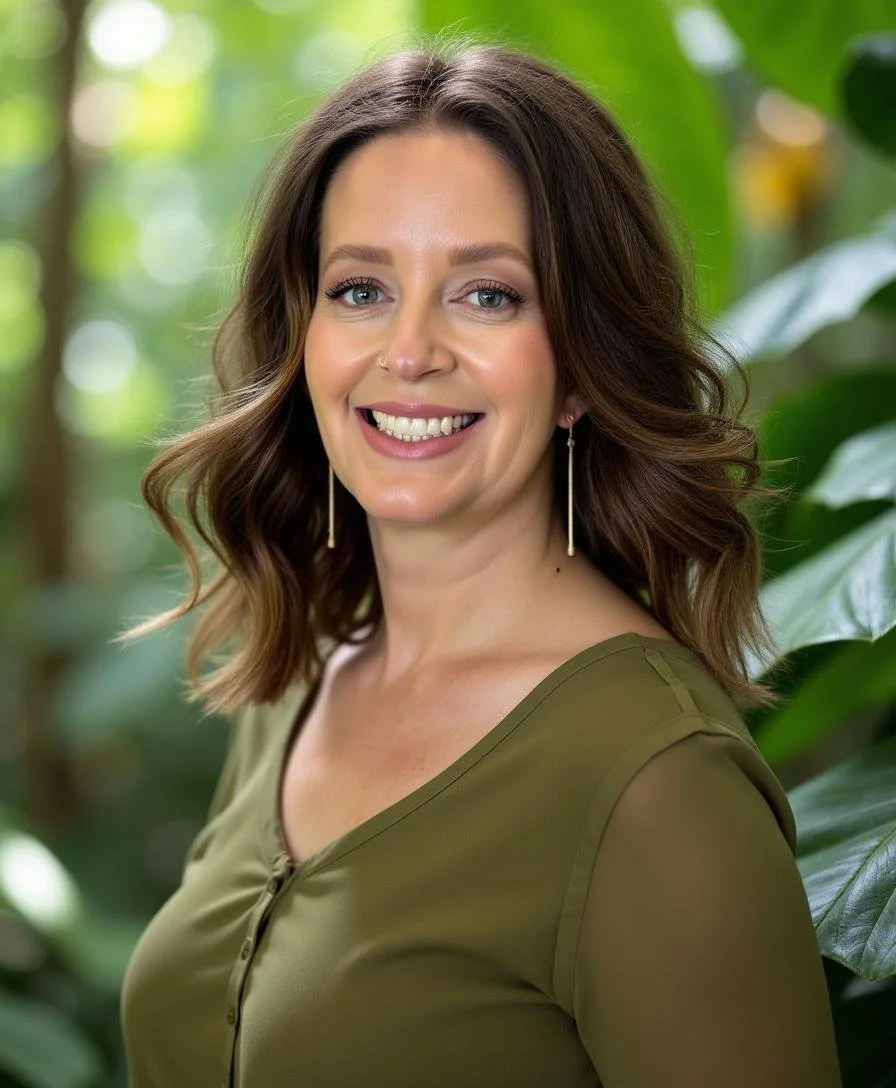
I’m Amber Loredo, a FNP-C - Family Nurse Practitioner and the founder of Alpine Wellness, a Direct Primary Care clinic in Bend, Oregon. With over 15 years in medicine, I have built Alpine Wellness around one idea, that patients deserve a provider who actually knows them. I specializes in preventive care, hormone health, and metabolic wellness, and I am known by my patients for translating complex medical information into plain English. My clinic, Alpine Wellness serves patients throughout Central Oregon including Bend, Redmond, and Sisters. If you're curious about Direct Primary Care, you can book a free discovery call at alpine-wellness.net.
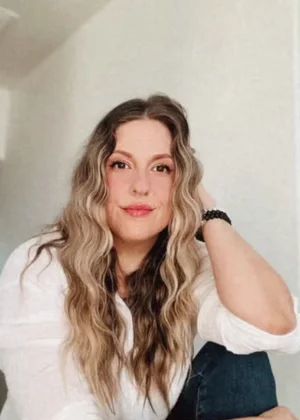
Amber Loredo, FNP-C at Alpine Wellness in Bend, Oregon breaks down what healthy aging actually looks like and the everyday habits that make the biggest difference, no matter your age or starting point.